Circadian Rhythm 101: How to Sync Your Body with the Sun for Better Energy
Because your body runs on rhythm—and when you align with it, everything feels easier.
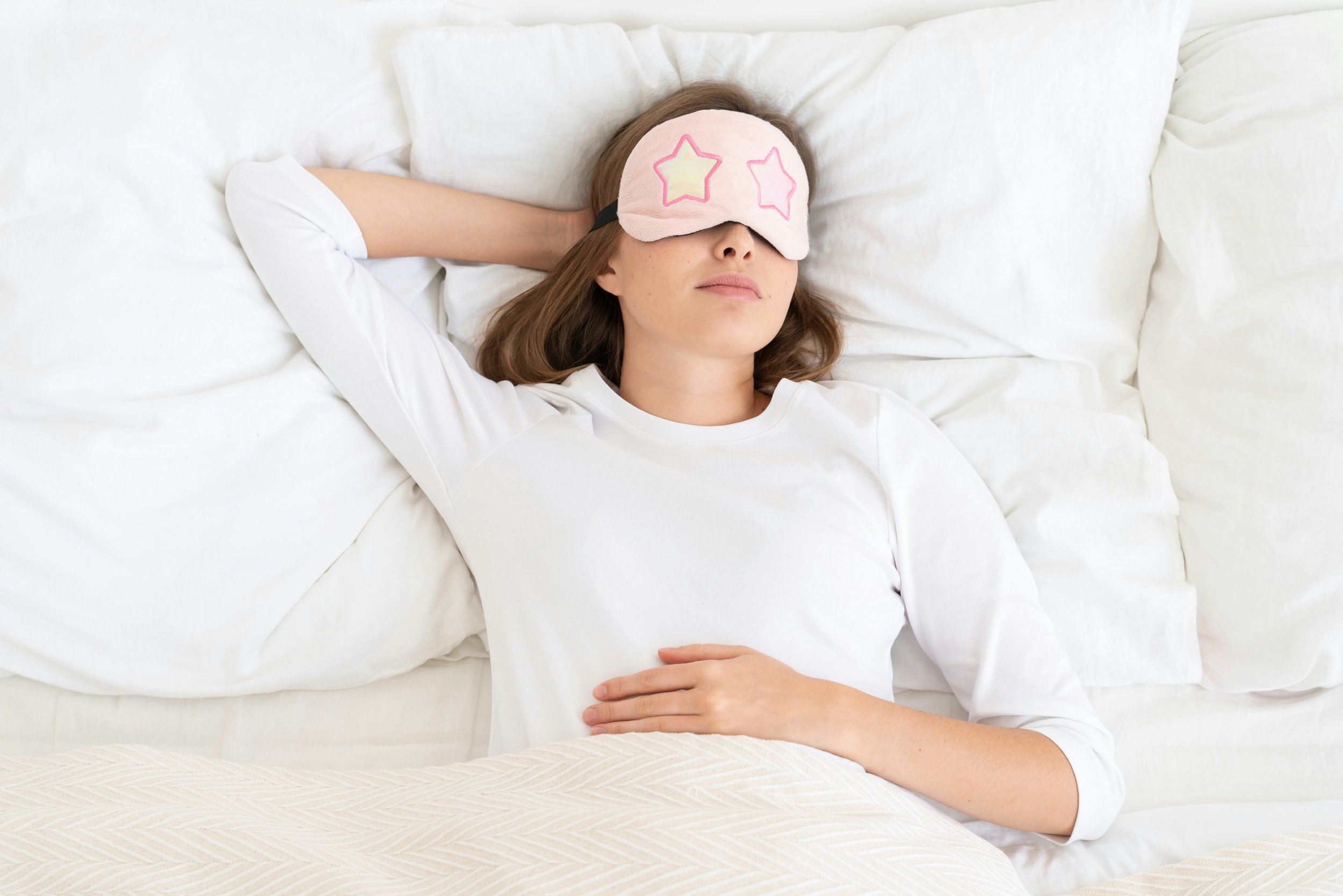
Have you ever noticed how you feel more awake in the morning when you step outside into sunlight, or how a late-night Netflix binge leaves you groggy the next day? That’s your circadian rhythm at work.
Your circadian rhythm is your body’s internal clock. It governs when you feel awake, when you get sleepy, how your hormones rise and fall, and even how you digest food. When this rhythm is in sync, you feel energized during the day, restful at night, and more balanced overall. When it’s off, you might feel tired, moody, or out of step with your own body.
The best part? You can reset your circadian rhythm naturally—by aligning with the sun, your meals, and your routines.
What Exactly Is Your Circadian Rhythm?
Think of it like your body’s 24-hour operating system. Your circadian rhythm:
Regulates sleep and wake cycles through hormones like melatonin and cortisol.
Influences digestion and metabolism, determining how efficiently your body processes food.
Affects mood and mental clarity, since neurotransmitters like serotonin are rhythm-sensitive.
Supports immune and hormone balance by coordinating repair cycles overnight.
Your circadian rhythm is synced primarily by light exposure, but also by meals, movement, and daily habits.
Signs Your Rhythm Is Out of Sync
Struggling to fall asleep or stay asleep.
Waking up groggy, even after 7–8 hours.
Mid-afternoon energy crashes.
Cravings for sugar or caffeine late in the day.
Mood swings, irritability, or brain fog.
Digestive issues that feel worse at odd hours.
If this sounds familiar, small shifts in how you align with the sun and your daily habits can make a big difference.
How to Sync Your Rhythm with the Sun
🌞 Morning Light Exposure
Your body needs a clear “daytime signal.”
Step outside within 30 minutes of waking.
Even 5–10 minutes of natural light helps reset your internal clock.
Skip sunglasses at first if possible—let the light reach your eyes.
✨ Wellness Warriess tip: If you live in a dark climate, consider a light therapy lamp to mimic morning sunlight.
🍴 Align Your Mealtimes
Food acts like a “time cue” for your circadian rhythm.
Eat breakfast within 1–2 hours of waking to signal “daytime” to your body.
Try to eat the bulk of your calories earlier in the day, when digestion is strongest.
Avoid heavy, late-night meals that confuse your system.
✨ Wellness Warriess tip: Think of food as fuel for your active hours, not your resting hours.
🏃 Move in the Daylight
Exercise also anchors your rhythm.
Morning or early afternoon movement supports energy and metabolic health.
Intense evening workouts may delay sleep for some women—tune into how your body responds.
🌙 Protect Your Evenings
Your body needs a “nighttime signal” just as much as a morning one.
Dim lights 1–2 hours before bed.
Avoid bright blue light from screens—or use blue-light filters/glasses.
Create a calming ritual: tea, journaling, stretching, or reading.
✨ Wellness Warriess tip: Treat your evening like a runway—gradually dimming the lights and slowing the pace prepares your body for sleep.
The Gut–Circadian Rhythm Connection
Your gut microbiome also runs on a clock. Beneficial microbes flourish when your sleep and meals are consistent. When your rhythm is off:
Gut bacteria diversity decreases.
Digestion feels sluggish or irregular.
Inflammation and cravings increase.
By eating on a schedule, prioritizing rest, and reducing late-night snacking, you support both your circadian rhythm and your gut health.
Everyday Example: A Rhythm-Friendly Day
7:00 am: Wake up, sunlight + glass of water.
7:30 am: Balanced breakfast with protein + fiber.
12:00 pm: Midday walk + nourishing lunch.
3:00 pm: Short movement break, hydrate, light snack if needed.
6:30 pm: Dinner with family, screen-free connection.
9:00 pm: Dim lights, journal gratitude, peppermint tea.
10:00 pm: Sleep environment cooled + blackout curtains.
It’s not rigid—it’s rhythmic.
How Circadian Alignment Supports Energy
Morning energy: Cortisol rises naturally with sunlight, helping you feel awake without extra caffeine.
Afternoon clarity: Balanced meals and movement prevent the dreaded slump.
Evening calm: Melatonin rises when light dims, helping you ease into deep rest.
Long-term balance: Consistent rhythms reduce stress on hormones, metabolism, and the gut.
✨ Final Thoughts from Wellness Warriess
Your body isn’t broken—it’s just rhythmic. When you align with natural cues like light, food, and bedtime rituals, you tap into the system your body already knows.
This is why syncing with your circadian rhythm feels so good: more energy in the morning, steadier moods throughout the day, and deeper rest at night.
💛 Follow @wellnesswarriess for more rhythm-supportive tips—and check out my Unlock Your Sleep and Living in Sync courses for a deeper dive into circadian alignment and seasonal wellness practices.
Educational content only. This is not medical advice or a substitute for individualized care.