The Confidence Connection: How Wellness Shapes Self-Belief
Confidence grows when you know you can handle what life throws at you.
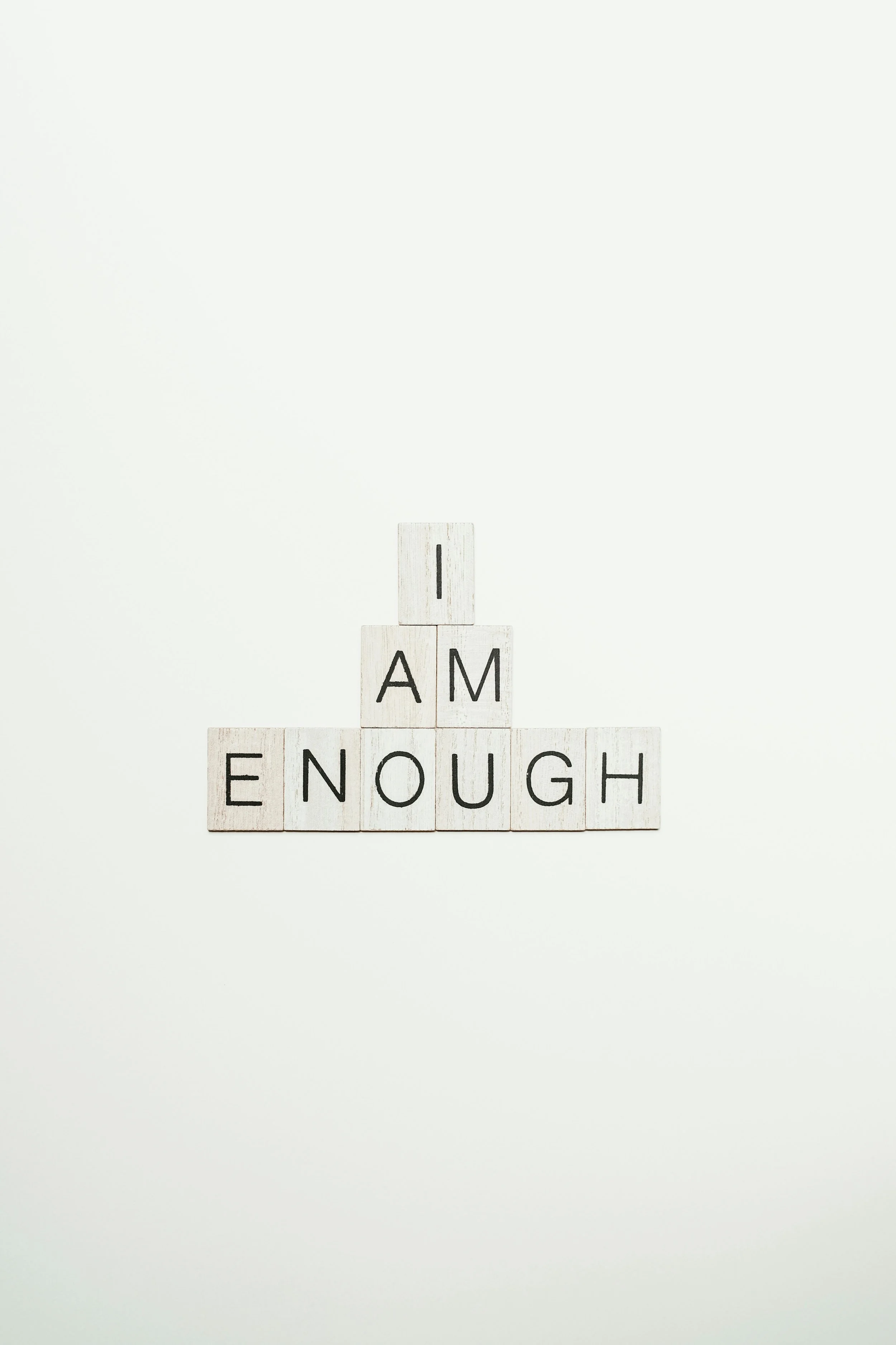
Confidence is often painted as boldness, charisma, or never second-guessing yourself. But real confidence—the kind that sticks—isn’t about pretending you have it all together. It’s about knowing you can face challenges, adapt, and keep moving forward. In other words, confidence is built on resilience.
And one of the most powerful ways to strengthen resilience? Through wellness.
When you support your body with rest, nourishment, movement, and stress care, you’re not just checking wellness boxes—you’re building the inner resources that remind you: I can handle this. That trust in your own resilience is the root of lasting confidence.
Why Confidence and Resilience Go Hand in Hand
Confidence doesn’t mean you never feel doubt. It means you’ve built enough inner stability to trust that you can bounce back, even when things don’t go as planned.
Wellness practices strengthen this by:
Stabilizing energy: A rested, nourished body responds better to stress.
Calming the nervous system: Breathwork, movement, and sleep help you shift out of fight-or-flight.
Building inner trust: Every time you follow through on a supportive ritual, you prove to yourself that you can show up—even in small ways.
✨ Wellness Warriess truth: Resilience is the bridge between wellness practices and true confidence.
How the Body Fuels Confidence
Your body is the foundation of resilience. When it feels strong and supported, confidence follows naturally.
Sleep: Rest repairs both body and brain, making challenges feel less overwhelming.
Nutrition: Nourishing foods stabilize mood, blood sugar, and focus—all of which shape self-belief.
Movement: Exercise isn’t just physical—it boosts endorphins, clears stress, and reminds you of your own capability.
Confidence isn’t about fitting a mold—it’s about inhabiting your body in a way that makes you feel steady and capable.
How the Mind Shapes Confidence
Your mindset is constantly influenced by your wellness. When stress is unmanaged or energy is low, self-talk tends to spiral. But when your body feels grounded, your thoughts become clearer and more compassionate.
Breathwork & meditation calm stress signals, making space for more balanced thinking.
Journaling helps you reframe setbacks as lessons instead of failures.
Mindful rituals remind you that you’re in the driver’s seat of your own choices.
Each of these practices adds to your “resilience bank”—and confidence grows as you see yourself navigating challenges with more ease.
Confidence in the Small Moments
Confidence doesn’t arrive in one big leap—it’s built in everyday moments. Like when you pause for a breath instead of reacting in frustration. When you close your laptop on time and give your body rest. When you choose a colorful lunch that fuels you for the afternoon.
These may feel small, but they prove to you, over and over: I can trust myself to handle this. That’s what confidence really looks like.
The Gut-Brain-Resilience Connection
Your gut health plays a quiet but powerful role in confidence. Why? Because your gut and brain are constantly in conversation.
A nourished gut supports neurotransmitters like serotonin, which shape mood and outlook.
A calm gut reduces inflammation that can fuel stress and anxiety.
A balanced gut helps you absorb the nutrients your body needs to feel strong and steady.
Supporting your gut with colorful foods, hydration, and mindful eating isn’t just about digestion—it’s about strengthening the foundation of resilience that confidence depends on.
✨ Final Thoughts from Wellness Warriess
Confidence isn’t about having all the answers or feeling fearless every day. It’s about building resilience through the way you care for yourself. When you rest, nourish, move, and calm your body, you send a powerful message to yourself: I am strong enough to handle this.
And that’s the confidence connection.
💛 Follow @wellnesswarriess for more resilience-building wellness rituals—and explore my courses for deeper guidance on creating rhythms that support your body, your mindset, and your self-belief.
Educational content only. This is not medical advice or a substitute for individualized care.