Wellness on a Budget: How to Prioritize Health Without Overspending
Because taking care of yourself shouldn’t feel out of reach.
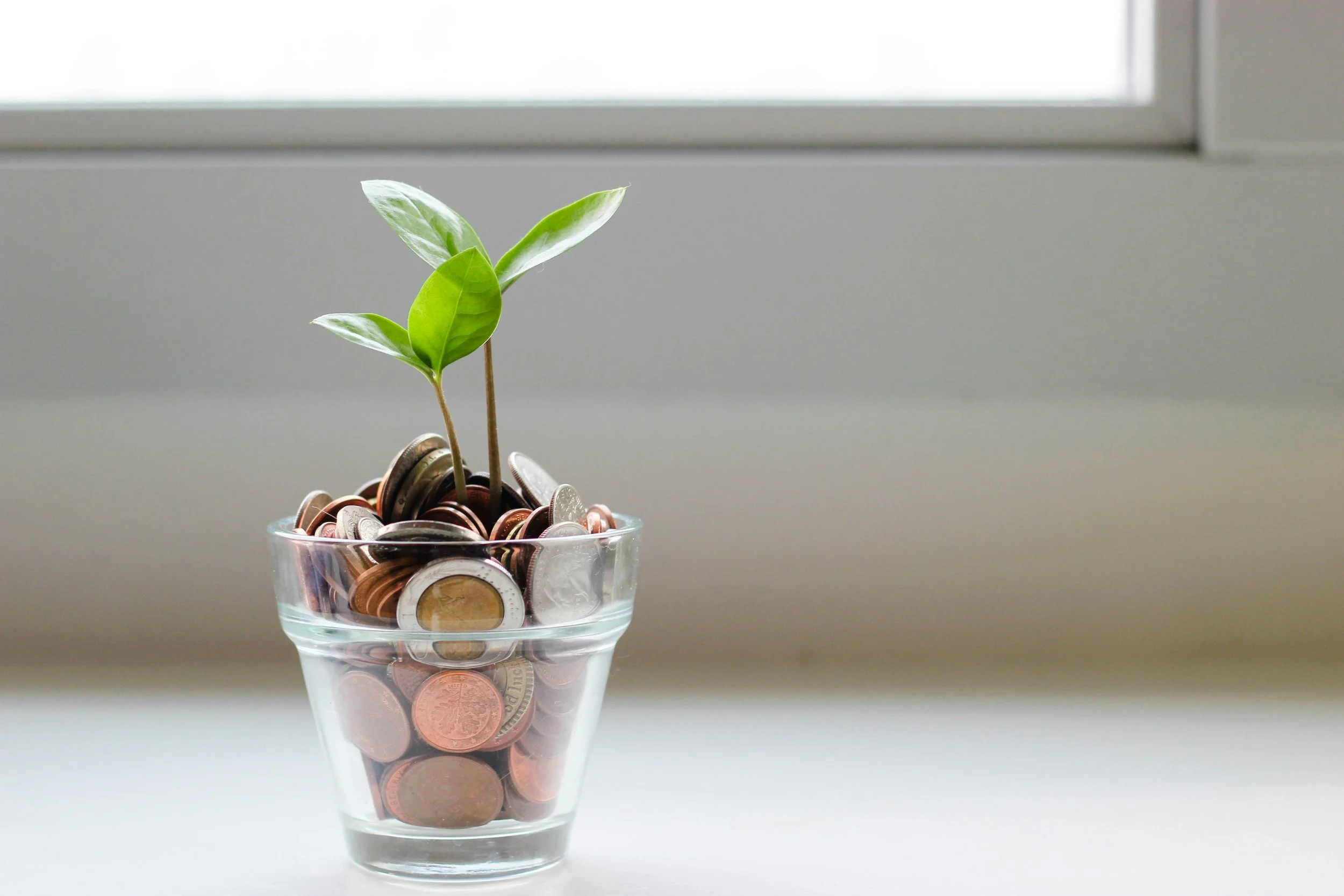
It’s easy to scroll through wellness trends and feel like health is only available if you have a big budget. Boutique gyms, pricey supplements, organic everything—it can feel overwhelming and, honestly, discouraging. But here’s the truth: wellness isn’t about having the fanciest gear or the most expensive products. It’s about consistency, intentional choices, and creating rituals that actually work for your life.
You don’t need to overspend to take care of your health. With a few smart swaps and a mindset shift, you can build a supportive routine that nourishes your body and mind—without draining your bank account.
Shift Your Mindset: From “More” to “Enough”
One of the biggest drains on wellness (and the budget that goes with it) is the idea that we always need more—more products, more memberships, more gadgets. In reality, many of the healthiest choices are simple and free: getting enough sleep, taking a walk, managing stress, and staying hydrated.
✨ Reframe: Instead of asking, “What else should I add to my wellness routine?” try asking, “What’s already working that I can do more consistently?”
Smart Swaps That Save Money
Wellness doesn’t need to mean top-shelf everything. Often, small swaps make the biggest difference—both for your body and your budget.
Movement: Skip boutique classes and explore free YouTube yoga or bodyweight workouts. A resistance band or a pair of secondhand dumbbells can go a long way.
Food: Frozen fruits and vegetables are just as nutrient-rich as fresh—and they’re usually cheaper and last longer.
Hydration: Instead of expensive bottled drinks, a simple water filter and a reusable bottle will save you money (and plastic waste).
Self-care: DIY face masks with kitchen ingredients like oats, honey, or avocado can feel just as luxurious as spa products.
Supplements: Focus on food first. Often, whole foods like seeds, greens, and beans offer more bang for your buck than a cabinet full of pills.
Invest Where It Matters Most
Budget-friendly doesn’t mean never spending—it means spending wisely. A few areas where investing a little goes a long way:
Sleep: Blackout curtains or a good sleep mask can dramatically improve rest.
Kitchen basics: A sharp knife, sturdy cutting board, and a few glass containers make cooking at home easier (and cheaper than takeout).
Water filter: Investing in a quality water filter is one of the simplest ways to reduce toxins and make hydration more supportive.
✨ Wellness Warriess tip: Think of these as foundational investments—the things you’ll use daily that support consistency.
Wellness Practices That Cost Nothing
Some of the most powerful wellness habits don’t cost a thing:
Getting outside for sunlight and fresh air.
Practicing deep breathing or meditation.
Journaling for gratitude or stress release.
Taking screen-free time before bed.
Moving your body with stretching, walking, or dancing in your living room.
These aren’t glamorous, but they’re effective. And they’re often the practices that stick because they feel accessible.
Food: Eat Well Without Overspending
Nutrition can feel expensive, but it doesn’t have to be. A few strategies:
Plan simple meals. Focus on a handful of affordable staples—like rice, oats, lentils, beans, eggs, chicken, and seasonal produce—and rotate them with different spices and flavors. Building meals around protein (animal or plant-based), fiber, and healthy fats helps you feel satisfied without spending more.
Cook in batches. Make soups, stews, or grain bowls that stretch over multiple meals.
Buy in bulk when it makes sense. Dry goods like beans, oats, or nuts often cost less per serving this way.
Limit “wellness extras.” Fancy powders and superfoods can be fun, but they’re not essential for everyday wellness.
Create Joyful Rituals
Wellness is about more than checklists—it’s about how you feel in your body and your life. Creating small rituals makes the affordable habits feel nourishing instead of like chores. Light a candle before you journal. Play music while you stretch. Sip tea from a favorite mug. These little touches remind you that wellness is about presence, not perfection.
✨ Final Thoughts from Wellness Warriess
Wellness doesn’t have to come with a high price tag. By focusing on what really matters—sleep, movement, nourishment, hydration, and stress support—you can build a lifestyle that feels aligned and sustainable without overspending.
💛 The truth? Consistency is more valuable than expensive trends. The simplest habits, practiced daily, often make the biggest difference.
Follow @wellnesswarriess for grounded, practical wellness tools that help you care for yourself in ways that are accessible, nourishing, and realistic.
Educational content only. This is not medical advice or a substitute for individualized care.