Why Hydration is More Than Just Drinking Water
Because a glass of water is good—but true hydration goes deeper.
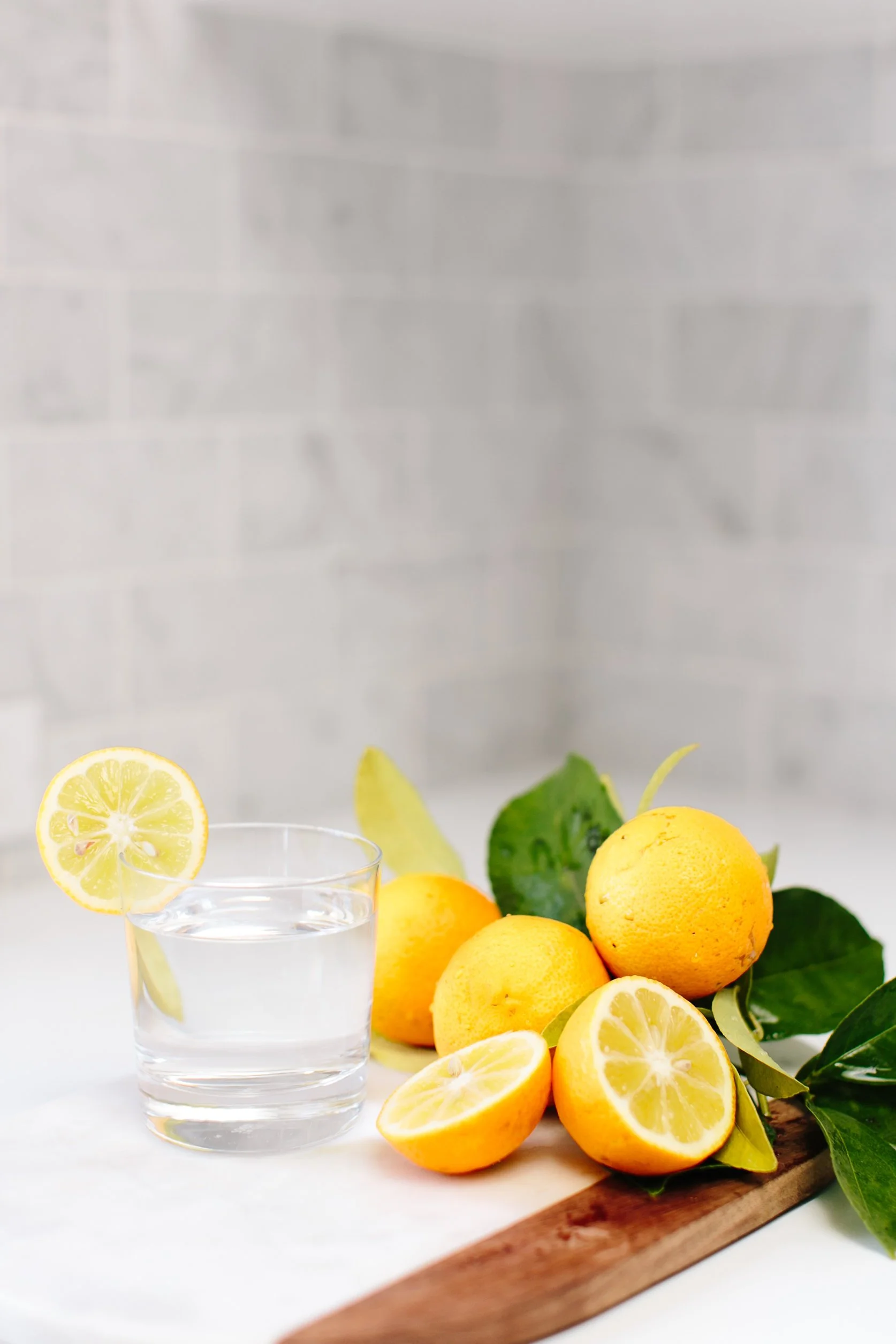
We all know hydration matters. You’ve probably heard the advice: “Drink eight glasses of water a day.” And while water is essential, hydration isn’t quite that simple. If you’ve ever chugged water all day and still felt thirsty, sluggish, or bloated, you’ve experienced the gap between drinking water and being truly hydrated.
True hydration means your body is actually absorbing and using the water you drink—at the cellular level. And to make that happen, your body needs more than H₂O. It needs minerals, electrolytes, and daily habits that support fluid balance.
Let’s break it down and explore how you can move beyond just drinking water toward supporting deep, lasting hydration.
Why Hydration Matters So Much
Hydration isn’t just about quenching thirst. Water is central to almost every process in your body:
Digestion: Supports nutrient breakdown and absorption.
Energy: Helps your cells create energy efficiently.
Skin: Keeps your skin plump and resilient.
Detoxification: Assists your liver and kidneys in flushing waste.
Cognition: Even mild dehydration can impair focus and mood.
When hydration is off, everything feels harder. Fatigue, headaches, bloating, constipation, and even irritability can often trace back to poor fluid balance.
Why Water Alone Isn’t Enough
Here’s the thing: your body doesn’t just need water—it needs electrolytes (minerals like sodium, potassium, magnesium, and chloride) to move water into your cells. Without them, water can pass right through you, leaving you running to the bathroom without feeling truly hydrated. The result is lots of water in, lots of water out—without the absorption your body actually needs.
✨ Wellness Warriess truth: Hydration isn’t about how much water you drink—it’s about how much your body actually uses.
The Role of Minerals in Hydration
Let’s look at the key players:
Sodium: Helps regulate fluid balance and nerve signals. Too little can leave you lightheaded or fatigued.
Potassium: Balances sodium and supports muscle contraction. Found in bananas, avocados, potatoes, and leafy greens.
Magnesium: Calms the nervous system and supports hydration at the cellular level. Found in nuts, seeds, and dark chocolate.
Chloride: Works with sodium to maintain fluid balance.
Together, these minerals keep water where it needs to be—in your cells, not just in your bladder.
Signs You Might Not Be Truly Hydrated
Hydration struggles can show up in subtle ways:
Persistent fatigue despite drinking water.
Muscle cramps or twitches.
Constipation or sluggish digestion.
Dull skin or lack of elasticity.
Brain fog or irritability.
Feeling thirsty even when drinking plenty of water.
If this feels like you, it may be time to look beyond the number of glasses and focus on the quality of your hydration habits.
Practical Strategies for True Hydration
1. Start Your Day with Mineral Support
Instead of plain water first thing, try adding:
A pinch of mineral-rich sea salt.
A squeeze of lemon for vitamin C and flavor.
Or a hydration mix with balanced electrolytes (watch for added sugars).
This helps replenish what your body loses overnight and kick-starts your hydration.
2. Eat Your Water
Hydration doesn’t just come from what you drink. Many fruits and vegetables are water-rich and mineral-packed.
Cucumbers, celery, and watermelon for water content.
Leafy greens, sweet potatoes, and avocados for electrolytes.
Berries and citrus for antioxidants + hydration.
✨ Wellness Warriess tip: Think of your plate as part of your hydration strategy.
3. Balance Caffeine and Alcohol
Both caffeine and alcohol can be dehydrating. That doesn’t mean you have to give them up—but balance them.
For every cup of coffee or glass of wine, add an extra glass of water.
Pair with mineral-rich foods (like nuts, seeds, or greens) to offset depletion.
4. Support Hydration During Workouts
Sweat means you’re losing more than just water—you’re also losing minerals. Instead of only chugging water after exercise, try to sip steadily throughout your workout and think about replenishing with whole, mineral-rich foods afterwards.
Great post-workout supports include:
Bananas or sweet potatoes for potassium
Leafy greens or avocado for magnesium and potassium
Coconut water for natural electrolytes
This way, you’re giving your body both the fluids and the minerals it needs to recover, naturally.
5. Pay Attention to Your Gut
Hydration and digestion are deeply linked.
Fiber needs water to move smoothly through your system.
Chronic stress can alter fluid absorption.
Balanced hydration helps reduce bloating and supports a healthy microbiome.
How a Hydration Shift Feels
Maybe you’ve had days where you drink glass after glass of water but still feel bloated, tired, or oddly thirsty. That’s what happens when water isn’t supported by minerals and steady habits.
The shift comes when you bring balance back in—pairing water with minerals, eating hydrating foods, and pacing your intake throughout the day. Many women notice they feel more balanced, less weighed down, and more at ease in their body when they support hydration this way.
It’s not about drinking more. It’s about helping your body actually use what you give it.
How Do You Know If You’re Hydrated Enough?
There’s no one-size-fits-all number of glasses that works for everyone—your needs shift with your activity level, the weather, your diet, and even your stress load. Instead of focusing on a rigid number, try tuning into these signs:
Your urine is pale yellow (not clear, not dark).
You feel energized and focused, not sluggish or foggy.
You rarely experience dry mouth, headaches, or dizziness.
And yes—you can actually overdo water. Overhydration can flush out electrolytes and leave you feeling lightheaded, bloated, or even more fatigued. If your urine is always crystal clear and you’re constantly running to the bathroom, it might be a sign to pull back and focus on mineral balance, not just volume.
✨ Wellness Warriess tip: Hydration is about balance, not extremes. Think less about “more water” and more about smarter hydration—pairing fluids with minerals and listening to your body’s cues.
✨ Final Thoughts from Wellness Warriess
Hydration is more than checking off glasses of water. It’s about minerals, balance, and daily rituals that help your body absorb and use what you give it.
When you nourish hydration at a deeper level, you may notice subtle shifts in your energy, digestion, and overall sense of balance.
💛 Follow @wellnesswarriess for more grounded, practical wellness rituals—and explore my courses for deeper support in creating routines that help you feel nourished, resilient, and aligned.
Educational content only. This is not medical advice or a substitute for individualized care.