Building a Gut-Friendly Kitchen: Essentials Every Woman Should Have
Because your kitchen can either support or sabotage your gut—let’s make it your ally.
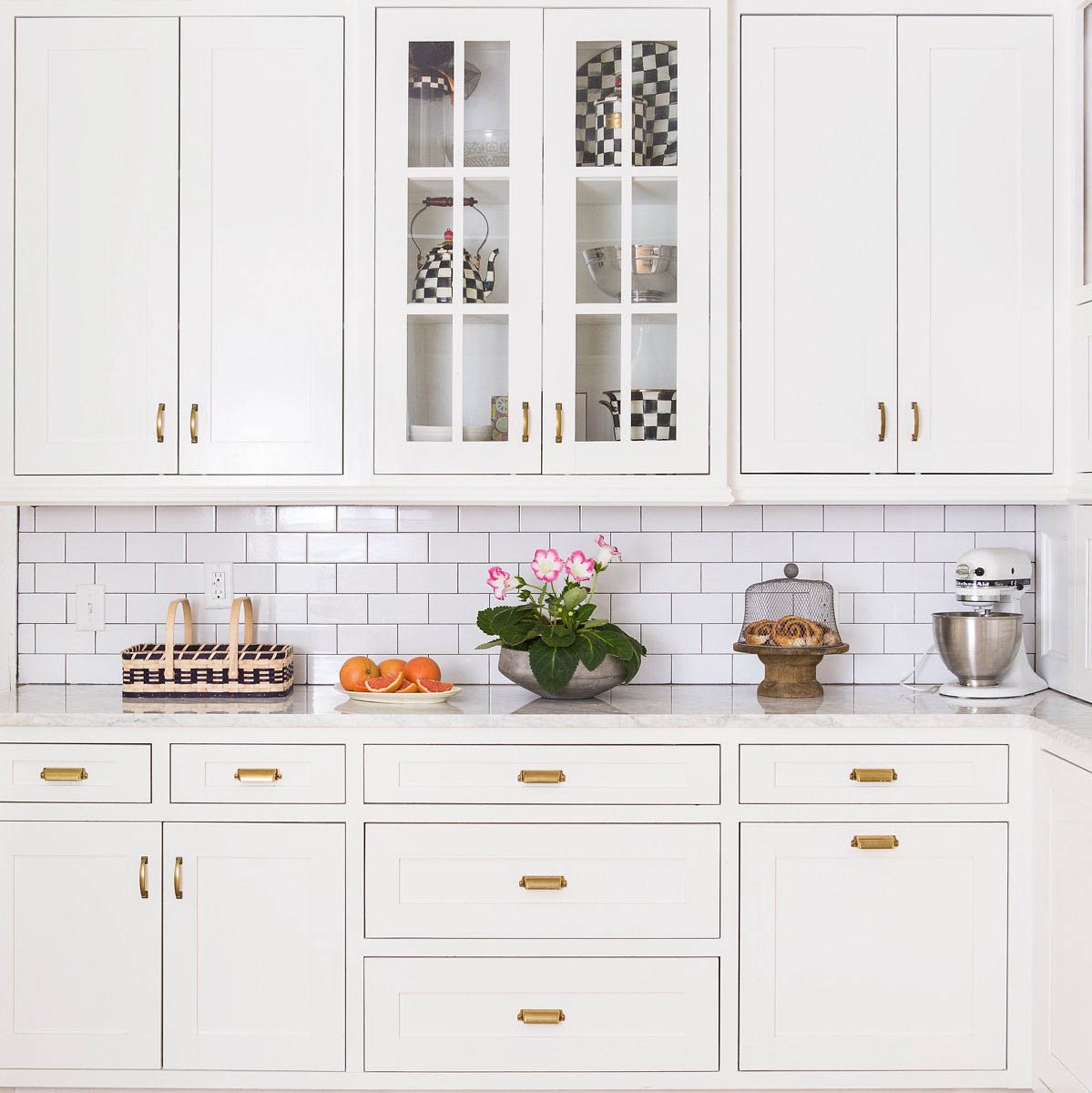
If you’ve ever opened your pantry and thought, “There’s nothing here that actually makes me feel good,” you’re not alone. Supporting gut health isn’t just about what you eat—it’s also about how you set yourself up for success.
Your kitchen environment plays a huge role in the choices you make every day. Stocking gut-friendly staples, having the right cooking tools, and making a few smart swaps can turn your kitchen into a place that supports digestion, energy, and overall wellness—without feeling complicated or overwhelming.
Let’s build it together.
Why a Gut-Friendly Kitchen Matters
Removes decision fatigue: When healthy staples are on hand, you don’t waste energy figuring out what to eat.
Supports microbiome diversity: Stocking fiber-rich, colorful foods makes it easier to feed beneficial bacteria.
Reduces hidden irritants: Simple swaps cut down on ultra-processed foods that can inflame the gut.
Makes rituals easier: The right tools and pantry setup help you cook and prep without stress.
Pantry Staples for Gut Health
A well-stocked pantry makes gut-friendly meals quick and realistic. These essentials cover fiber, protein, and flavor—so you’re never stuck.
🌾 Whole-Food Carbs
Oats (rolled or steel-cut)
Brown rice, quinoa, or millet
Lentils and beans (dried or BPA-free canned)
Sweet potatoes or squash (store well in a cool pantry)
🌈 Fiber Boosters
Chia seeds and flaxseeds (great for smoothies or baking)
Psyllium husk (optional for gentle fiber support)
Dried herbs and spices (like turmeric, ginger, fennel)
🥫 Flavor + Function
Olive oil and avocado oil (anti-inflammatory fats)
Apple cider vinegar (supports digestion and flavor)
Sauerkraut or kimchi (store in fridge once opened)
Low-sodium broths (base for soups and grains)
✨ Wellness Warriess tip: Keep your pantry visually organized (glass jars, baskets) to make gut-friendly choices more appealing.
Fridge + Freezer Staples
Your fridge doesn’t need to be crammed—it just needs to hold versatile, nourishing basics.
🥗 Fresh Produce
Leafy greens (spinach, kale, romaine)
Cruciferous veggies (broccoli, cauliflower, cabbage)
Colorful fruits (berries, apples, citrus, pomegranates)
Herbs (parsley, cilantro, mint)
🥛 Fermented Friends
Kefir or coconut kefir
Unsweetened yogurt (dairy or non-dairy, depending on tolerance)
Miso paste (for soups or dressings)
🥩 Protein + Healthy Fats
Eggs
Wild-caught salmon (or frozen fillets for easy meals)
Nuts and seeds
Hummus or tahini
❄️ Freezer Favorites
Frozen berries or veggies (nutrient-dense and easy to add to meals)
Pre-cooked brown rice or quinoa for fast bowls
Homemade soup portions or bone broth (if aligned with your diet)
Cooking Tools That Make Gut-Friendly Eating Easier
You don’t need a gadget-packed kitchen—but a few tools can make nourishing meals faster and more enjoyable.
High-speed blender: For smoothies, soups, or cashew-based dairy-free sauces.
Instant Pot or slow cooker: Great for soups, stews, and beans (easy on digestion).
Glass storage containers: For meal prep and leftovers—safer than plastic.
Sharp chef’s knife + cutting board: Makes chopping veggies quicker and less frustrating.
Steamer basket or air fryer: Gentle ways to prepare veggies without excess oil.
✨ Wellness Warriess tip: Investing in a few reliable tools pays off in consistency—you’ll use them often and save time.
Smart Swaps for Everyday Cooking
Small swaps add up. These reduce hidden irritants and increase gut-friendly nutrients without feeling restrictive.
Swap white pasta → chickpea or brown rice pasta (more fiber + protein).
Swap vegetable oil → olive or avocado oil (less processed, supports anti-inflammatory balance).
Swap flavored yogurt → unsweetened + your own fruit (avoids excess sugar).
Swap store-bought dressings → olive oil + lemon + herbs (cleaner and customizable).
Swap soda → sparkling water with citrus (hydrating without bloating additives).
How to Make It Work in Real Life
1. Start Small
You don’t need to overhaul everything overnight. Begin with one shelf or one staple—like switching to higher-fiber grains or stocking sparkling water instead of soda.
2. Focus on Addition, Not Restriction
Instead of obsessing over what to cut, focus on adding more fiber, color, and hydration. The additions naturally crowd out less supportive choices.
3. Prep for Your “Weak Spots”
If evenings are your hardest time, keep herbal teas or healthy snacks in view. If breakfast is rushed, prep overnight oats or freezer smoothies.
4. Keep It Joyful
Gut-friendly doesn’t mean boring. Season with herbs, experiment with spices, and enjoy indulgent moments—your microbiome loves variety.
✨ Final Thoughts from Wellness Warriess
A gut-friendly kitchen isn’t about perfection—it’s about creating an environment that makes nourishing choices easier, more consistent, and more enjoyable.
With a few pantry staples, some fridge/freezer basics, supportive tools, and smart swaps, you’ll be better equipped to fuel both your digestion and your daily rhythm.
Your kitchen can become one of your greatest allies in your gut health journey. Start small, build gradually, and remember: this is about support, not restriction.
💛 Follow @wellnesswarriess for more grounded, gut-supportive lifestyle tips—and check out my Know Your Guts course for deeper guidance on building a lifestyle (and a kitchen) that aligns with your wellness goals.
Educational content only. This is not medical advice or a substitute for individualized care.