The Hidden Role of Clutter in Stress and Mental Wellness
Because your outer space often mirrors your inner space.
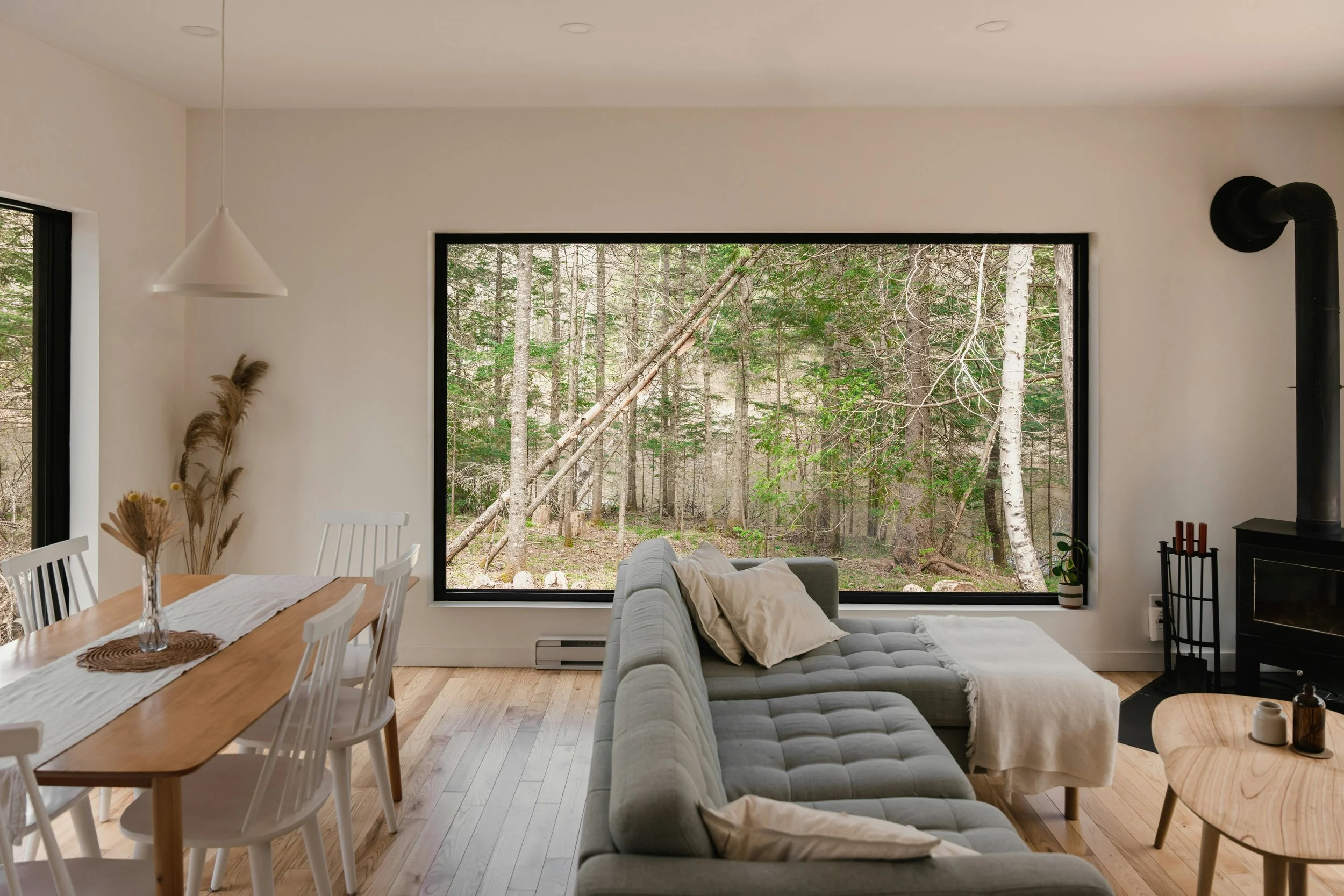
We’ve all felt it—that subtle tension that creeps in when the counters are piled high, the closet is overflowing, or the to-do list is scribbled on scraps of paper all over the house. Clutter doesn’t just take up physical space. It takes up mental space too.
Science backs this up. Studies show that cluttered environments can raise cortisol (your main stress hormone), reduce focus, and even make it harder to relax in your own home. In other words: clutter can quietly chip away at your wellness.
The good news? Decluttering isn’t about becoming a minimalist or living in a perfectly curated home. It’s about creating enough space for calm, clarity, and ease in your daily life.
Why Clutter Affects Stress
Clutter is more than “stuff.” It’s visual noise. Every pile of laundry or stack of papers sends a little reminder to your brain: You should be doing something about this. That constant background noise increases stress, steals focus, and can make even restful moments feel less restorative.
On a deeper level, clutter often represents delayed decisions. That shirt you never wear, the expired pantry items, the old magazines—they’re all small “undecideds.” And the more of them that surround you, the heavier your mental load becomes.
The Science Behind It
Cortisol connection: Research has found that people in cluttered spaces often report higher levels of stress hormones throughout the day.
Cognitive overload: A messy environment competes for your brain’s attention, reducing your ability to focus and problem-solve.
Emotional weight: Clutter can trigger guilt (“I should have dealt with this”) or attachment (“What if I need it later?”), keeping you in a stress loop.
When your space feels chaotic, your nervous system often does too.
Small Decluttering Rituals for Calm
You don’t need a full weekend purge to feel relief. Instead, think of decluttering as a ritual—something small, consistent, and supportive.
One drawer at a time. Choose a single small space and clear it out completely. The win is quick and motivating.
Reset the surfaces. Each night, take five minutes to clear counters or tabletops. Waking up to clear space feels like a breath of fresh air.
The one-in, one-out rule. When something new comes in (a shirt, a mug, a book), let one old item go.
Create a donation box. Keep a box in the closet or garage. Whenever you find something you don’t use or love, drop it in—then donate once it’s full.
The Emotional Side of Letting Go
Decluttering can stir up feelings—nostalgia, guilt, or fear of waste. That’s normal. Instead of aiming for “perfect,” aim for kindness with yourself. Ask simple questions like:
Does this item support my life now?
Would I buy this again today?
Do I feel lighter when it’s gone?
This reframes decluttering from a chore into a practice of self-care and alignment.
✨ Final Thoughts from Wellness Warriess
Your home doesn’t need to be spotless to be supportive—it just needs to work for you. A little less clutter can mean a little more calm, focus, and breathing room for your nervous system.
💛 The takeaway: Decluttering isn’t about perfection. It’s about creating spaces that feel like they’re working with you, not against you.
Follow @wellnesswarriess for more grounded, practical tools to support your body, mind, and environment—one small shift at a time.
Educational content only. This is not medical advice or a substitute for individualized care.