Coconut Matcha Energy Bites: A Simple Snack with Big Benefits
Vegan - Vegetarian - Dairy Free - Gluten Free - Plant Based
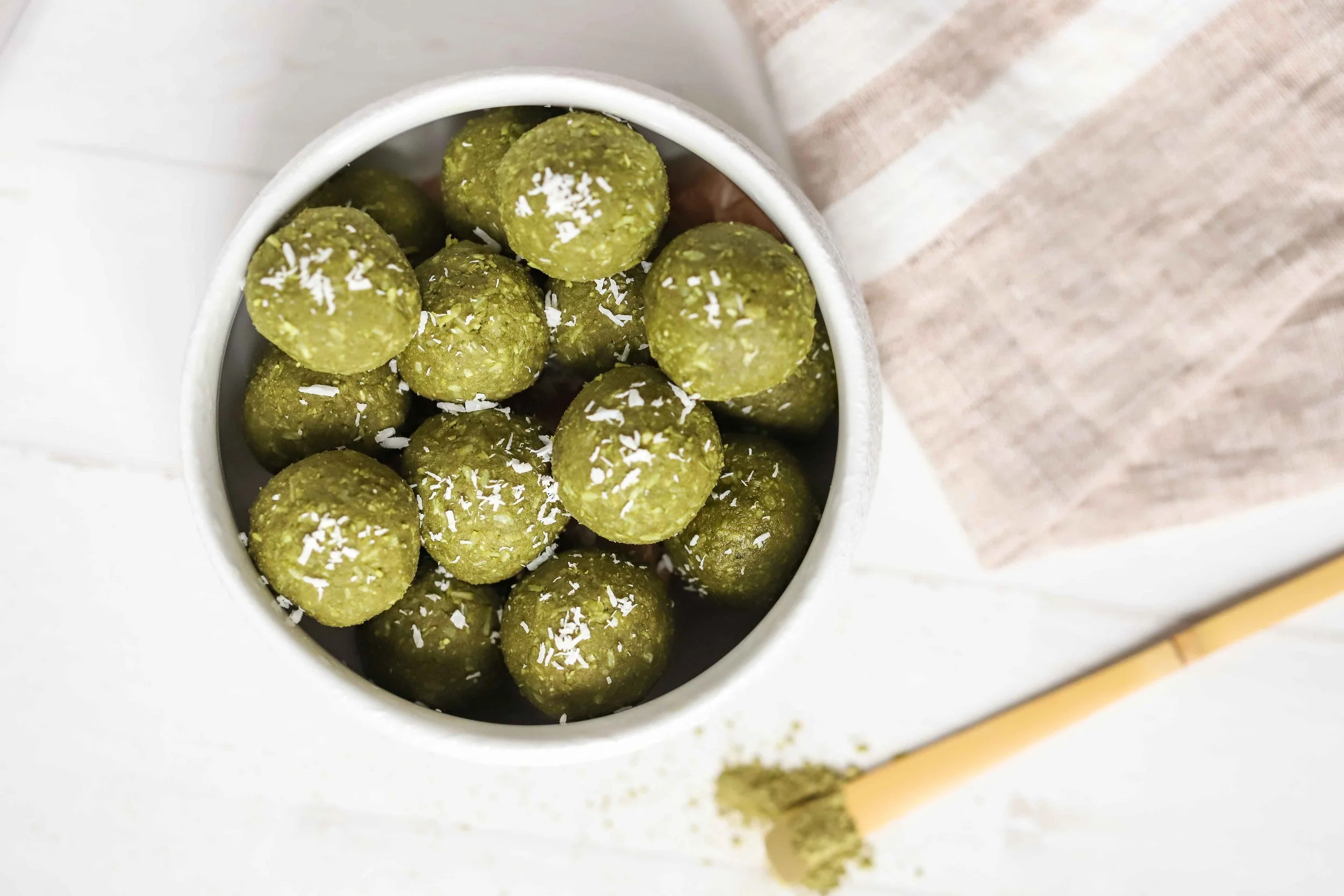
Sometimes the smallest snacks pack the biggest punch. These Coconut Matcha Energy Bites are the perfect example—bite-sized, easy to make, and loaded with nutrients that support your energy, focus, and overall wellness. Whether you’re looking for a mid-morning pick-me-up, a pre-workout boost, or something to satisfy that mid-afternoon sweet craving, these little green gems do the job without the crash.
The best part? They take less than 10 minutes to prepare, keep well in the fridge all week, and are both nourishing and delicious.
Why You’ll Love These Energy Bites
Unlike store-bought snacks that are often loaded with hidden sugars and additives, these energy bites are made with simple, whole-food ingredients you can feel good about. Here’s what makes them extra special:
🍵 Matcha Magic: Matcha is packed with antioxidants (especially catechins like EGCG) and can offer a gentle energy lift thanks to its mix of caffeine and the amino acid L-theanine. Many people enjoy it for calm, sustained focus—but if you’re more sensitive to caffeine, you can simply use a smaller amount or skip it altogether. The bites are still nourishing and delicious without it.
🥥 Coconut for Nourishment: Both desiccated coconut and coconut flour bring fiber and healthy fats to the mix, helping stabilize energy and keep you satisfied.
💪 Protein Boost: Adding a scoop of vegan vanilla protein powder makes these bites more balanced, giving your body fuel for muscle repair and steady energy.
🍯 Natural Sweetness: Maple syrup provides just enough sweetness, without the refined sugar overload that can leave you feeling drained.
🚶 On-the-Go Friendly: These bites are portable, mess-free, and perfect to keep in the fridge for when life gets busy.
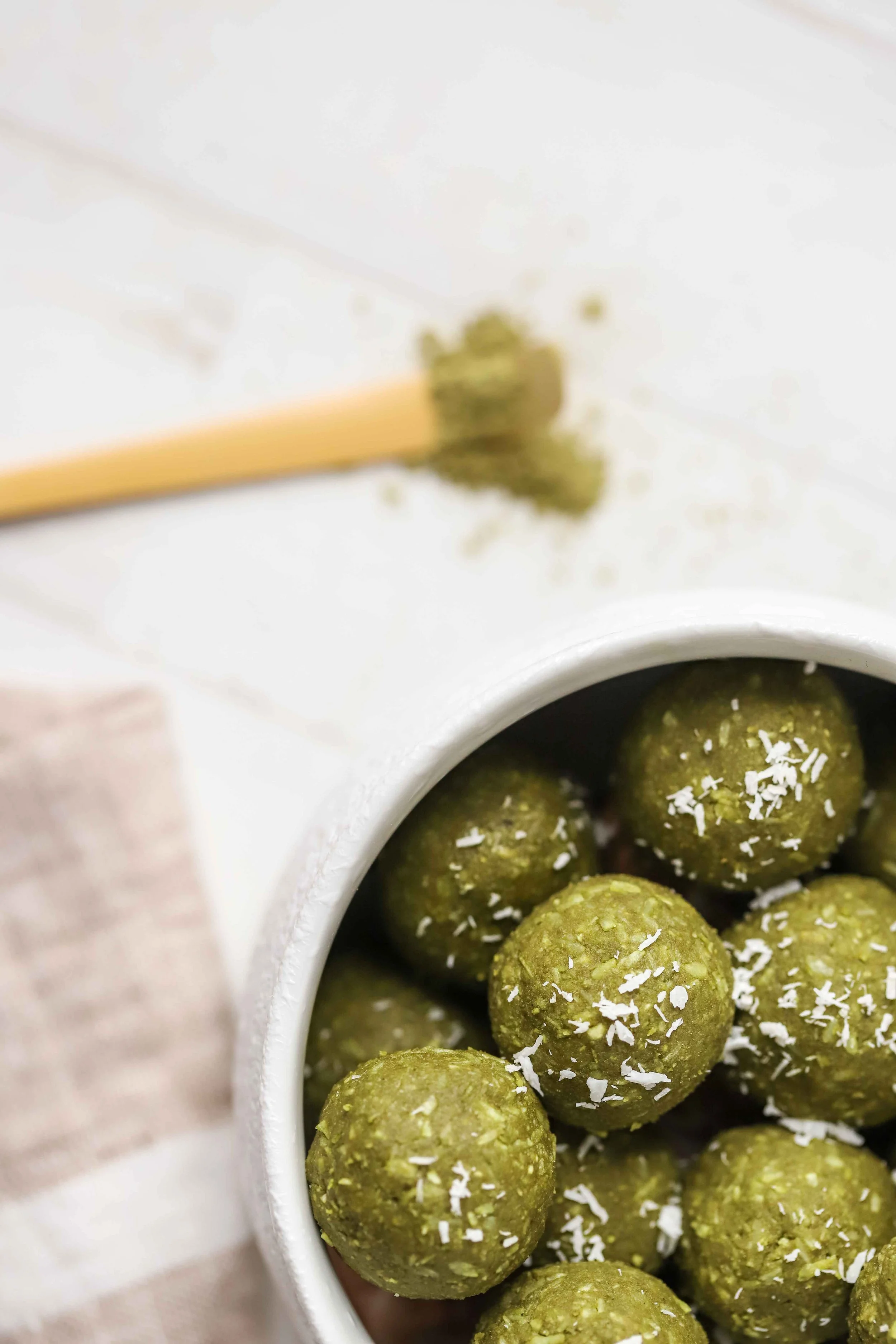
Recipe: Coconut Matcha Energy Bites
Serves 12
Ingredients
1 tbsp. matcha powder
1 cup (80g) desiccated coconut
¼ cup (50g) coconut flour
1 scoop (25g) vanilla protein powder (vegan mix)
2 tbsp. coconut oil
3 tbsp. maple syrup
Instructions
Add all ingredients into a food processor and pulse until well combined.
Roll into 12 even balls with your hands.
Store in an airtight container in the fridge for up to 7 days.
Health Benefits at a Glance
✨ Supports Focus + Energy – The matcha gives you steady, calm alertness without the jittery feeling that coffee sometimes brings.
✨ Balances Cravings – Fiber, protein, and healthy fats work together to keep blood sugar steady, reducing those mid-afternoon crashes.
✨ Gut-Friendly Ingredients – Coconut and plant protein provide fiber and nourishment for your microbiome.
✨ Quick + Nourishing – Just a few minutes of prep gives you a week’s worth of ready-to-go snacks.
A Gentle Invitation
If you love simple, nourishing recipes like these Coconut Matcha Energy Bites, you’ll find even more inspiration inside the Wellness Warriess Recipe Club. Each month, you’ll receive a collection of balanced recipes—both plant-based and omnivore options—designed to help you save time, reduce stress around meals, and keep wellness delicious and approachable.
It’s about more than just recipes—it’s about having tools at your fingertips to support your health in real life.
✨ Final Thoughts from Wellness Warriess
Wellness doesn’t always come from big, dramatic changes. Sometimes, it’s found in small, intentional choices—like keeping wholesome snacks on hand that fuel your body and mind. These Coconut Matcha Energy Bites are a simple way to support your energy, reduce stress around snacking, and enjoy a moment of calm in your day.
💛 Follow @wellnesswarriess for more gut-friendly, energy-boosting recipes and tips that keep your wellness journey grounded and sustainable.
Disclaimer: Educational content only. This is not medical advice or a substitute for individualized care.